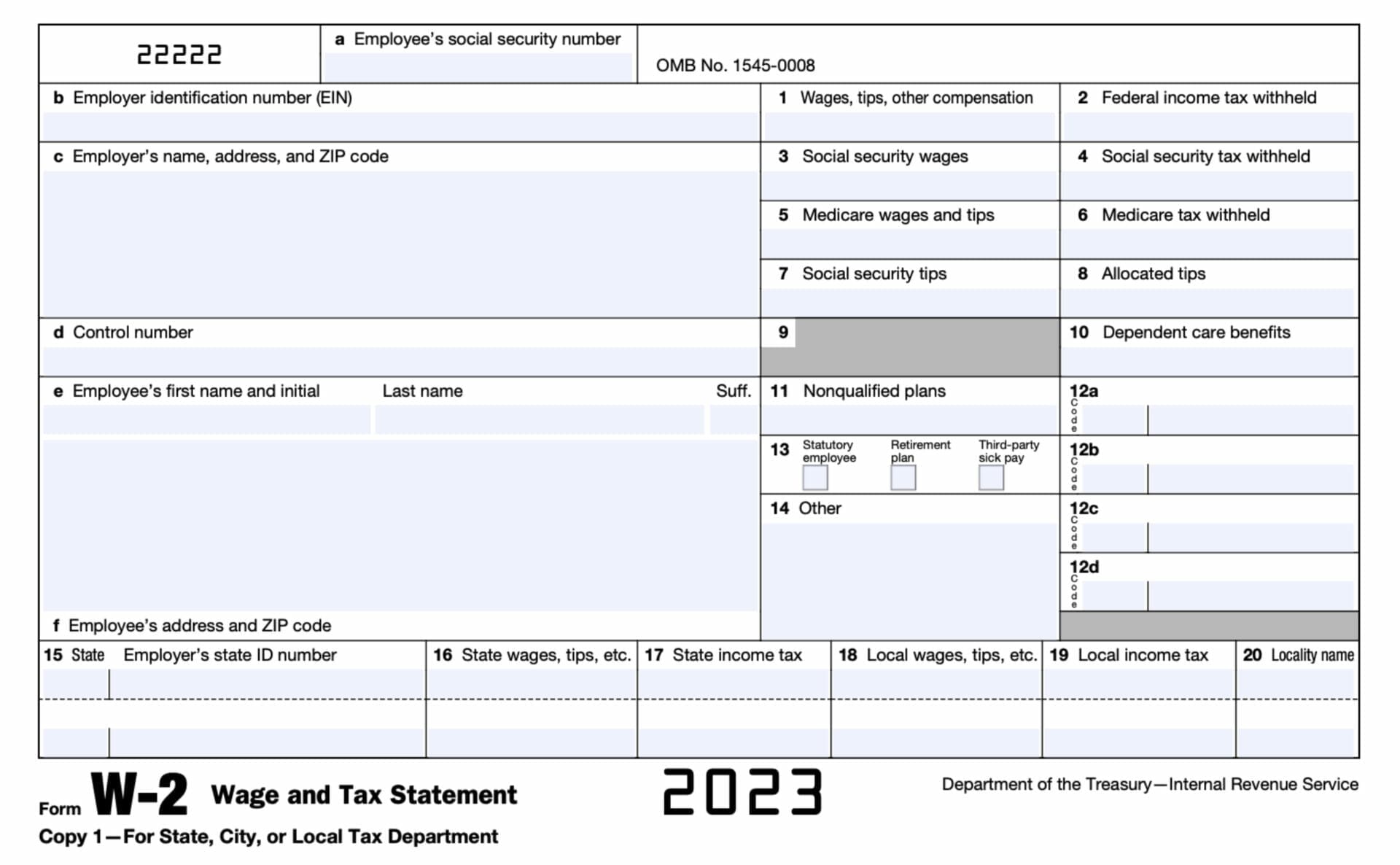
The payroll year-end process is a fundamental obligation for employers in the UK, requiring careful preparation and attention to detail. It’s a comprehensive overview of the necessary steps and considerations to ensure compliance with HMRC regulations, while also ensuring that employees receive the correct documentation and that all financial records are accurate.
Understanding the mechanics of this process, the requirements, and potential pitfalls can help employers navigate this period more effectively. Here, we will explore what the payroll year-end checklist entails, the legal framework surrounding it, key deadlines, practical implementation steps, common risks, and recent changes that might affect the upcoming tax year.
Definition and Purpose
A payroll year-end checklist is a structured process that UK employers must complete at the conclusion of the tax year, which runs from 6 April to 5 April the following year. This checklist serves to finalise payroll records, submit mandatory documentation to HMRC, and prepare for the new tax year. It ensures businesses comply with statutory obligations while clearing year-to-date figures to accommodate the next tax year’s data.
The year-end process is essential for maintaining accuracy in payroll records and ensuring timely compliance with reporting requirements mandated by HMRC (Her Majesty’s Revenue and Customs). The checklist helps employers systematically approach the various tasks to complete and ultimately minimise errors.
Legal Framework and Responsible Authorities
The UK tax year is governed by strict regulations set forth by HMRC, which oversees payroll compliance and enforces deadlines for submissions and employee notifications. The framework is based on PAYE (Pay As You Earn) regulations, which outline specific requirements for submitting records, including the final Employer Payment Summary (EPS) and Full Payment Submission (FPS) documents.
Employers should be familiar with their responsibilities under these regulations to avoid any penalties for non-compliance. Key responsibilities include maintaining accurate payroll records, reporting employee earnings, and ensuring timely submission of all necessary documentation related to payroll. For a deeper understanding of payroll compliance, check out our post on NAB Payroll Support: A Complete Guide to UK Compliance, Risks, and Employer Best Practices.
Key Statutory Deadlines
Ensuring adherence to specific legal deadlines is crucial during the payroll year-end process. The following deadlines are relevant to UK employers:
-
19 April: Deadline for submitting the final Employer Payment Summary (EPS) to HMRC, alongside payment of any remaining tax and national insurance for tax month 12.
-
31 May: This is the deadline by which all employees must receive their P60 forms, which serve as end-of-year pay statements.
-
6 July: Employers must report expenses and benefits, which can be processed through their payroll software.
Meeting these deadlines is vital for compliance; failing to do so could lead to penalties or other repercussions from HMRC.
Current Rules and Requirements
Final Submission Requirements
The final EPS submission diverges significantly from regular monthly or quarterly submissions. It constitutes an end-of-year declaration that confirms all payroll periods have been processed. Unlike earlier submissions, it does not resubmit liability values, which are included in the final FPS. If applicable, this final EPS submission will also indicate the date the business ceased trading.
P60 Distribution
Employers are obliged to issue P60 forms to all employees who are employed on 5 April of the relevant tax year. Employees who leave the company on or before 4 April do not require a P60. It’s also important to note that P60s can be printed on plain paper and do not require special stationery since the standard layout includes all necessary formatting.
Final Pay Run Processing
Executing a final pay run during the last pay period of the tax year is essential. This final run will include various tasks:
- Processing any employee leavers.
- Submitting the final FPS and, if needed, an EPS.
- Applying any necessary annual threshold recalculations.
It’s important to note that neither the final FPS nor the EPS constitutes the year-end submission sent later in April.
Week 53 Considerations
In some pay schedules, particularly for those who pay weekly, fortnightly, or four-weekly, a week 53 may occur. For the 2024/25 tax year, week 53 fell on Saturday, 5 April. Employers must check and process this appropriately as monthly-paid employees do not encounter a week 53.
Practical Implementation Steps
The implementation of the Sage Payroll year-end checklist comprises several stages, which can help streamline the process. The following table outlines these critical steps in the order they should be executed:
| Step | Action | Details |
|---|---|---|
| 1 | Check payroll end date | Identify whether a week 53 exists for weekly/fortnightly/four-weekly pay schedules |
| 2 | Process final pay run | Update final pay period; process leavers; submit final FPS/EPS as normal |
| 3 | Internet submission | Submit the final EPS (year-end declaration) to HMRC by 19 April |
| 4 | Produce P60s | Generate P60 forms for all employees employed on 5 April |
| 5 | Back up data | Safeguard payroll records before year-end processing |
| 6 | Complete year-end process | Clear year-to-date figures for the new tax year |
| 7 | Prepare for new tax year | Review payroll changes for the upcoming tax year |
These stages highlight the importance of each step in the overall payroll year-end process. By carefully planning and executing each action, employers can ensure a smooth transition into the new tax year without errors or compliance issues.
Risks and Common Errors
Despite its seemingly straightforward nature, the payroll year-end process can be fraught with risks and common errors that may lead to costly penalties or compliance issues. One major risk is that adjustments submitted after the 19 April deadline incur additional compliance burdens. These adjustments require retrospective submissions of additional FPS or EPS documents, which can complicate administrative processes and invite scrutiny from HMRC.
Moreover, it is essential that employers ensure accuracy regarding liability values in the final FPS/EPS submitted during the final pay period. Errors at this stage cannot be rectified through the year-end submission itself. Failure to distribute P60s by 31 May could also result in non-compliance with statutory regulations, which may further lead to penalties imposed by HMRC.
Employers are advised to meticulously review their submissions and ensure that all necessary documentation is provided and errors corrected promptly to avoid falling into these common pitfalls. For more insights on potential risks, you may want to read about Understanding the Role of Portfolio Payroll in UK Payroll Management.
Recent Changes for 2026/27
As we approach the 2026/27 tax year, employers should be aware that the Sage checklist includes references to payroll changes to review. However, specific changes are not detailed in the available materials. To stay compliant and informed on changes in thresholds, allowances, or submission procedures, employers are advised to consult the latest HMRC guidance or their payroll software provider.
This vigilance is particularly important as these changes could potentially impact payroll processing requirements and the overall management of employee records.
Data Management and System Considerations
Astute data management practices are vital for a seamless payroll year-end process. Following year-end processing in Sage 50 Payroll, year-to-date figures are cleared down, leaving historical data accessible as prior-year figures. This ensures a streamlined collection of the new tax year’s data without losing essential information from the previous year.
Employers are strongly encouraged to back up all payroll data before processing the year-end to safeguard against any potential data loss or issues that may arise during the transition. Routine backups provide a safety net, allowing employers to recover lost information easily and maintain accurate records throughout the payroll year.
In addition, it is wise to conduct periodic reviews of payroll software updates or changes that may affect the year-end process. Any system upgrades or enhancements should be tested and understood prior to implementation to ensure a smooth transition.
Understanding the fundamentals of the payroll year-end process is key for UK employers, as it serves as the foundation for regulatory compliance and accurate payroll processing. By following a structured checklist, staying informed on legal requirements, and being aware of common risks, employers can navigate the complexities of the payroll year-end efficiently.
With careful planning and timely execution of each step, businesses can confidently head into the new tax year prepared for the challenges and requirements that lie ahead. For additional guidance on payroll processing, you might find our Ultimate Guide to HR and Payroll Software UAE: Features, Compliance, and Top Solutions for 2026 beneficial.